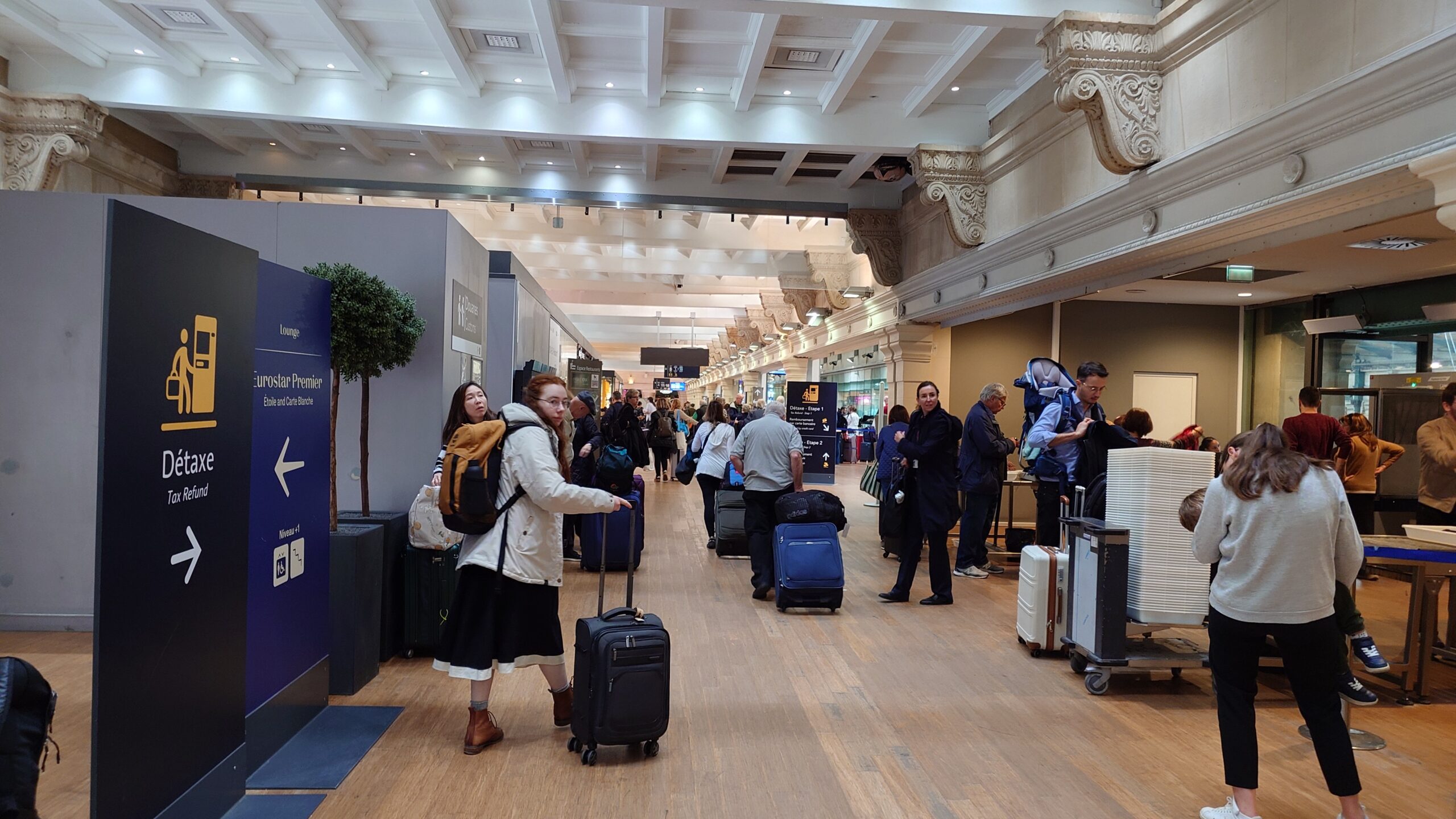
Eurostar is a comfortable ride, but your seat choice can still make a noticeable difference.
A good seat feels like a short break. A bad one feels longer than it should.
Keep this guide open while you book. I’ll walk you through what to look for on the seat map so you don’t end up with a “dud” seat:
- Standard vs Plus vs Premier (what actually changes)
- how to read the carriage layout
- where the noisy/awkward seats usually are (toilets, carriage ends, luggage areas)
- best seats by travel purpose (quiet, work, views, two people)
- what to confirm in the official Eurostar app (especially if you booked via Omio)
For most travelers, Eurostar Plus (formerly Standard Premier) is the sweet spot: better space, calmer vibe, and a single-seat option.
- 1) Eurostar Seat Classes: Standard vs Plus vs Premier
- 2) How to Read the Eurostar Seat Map (So You Book the Right Spot)
- 3) Best Seats by Travel Purpose
- 4) Seats to Avoid (If You Can)
- 5) Booked via Omio? Don’t Panic (How to Confirm Your Seat)
- 6) Quick Comparison: Standard vs Plus vs Premier
- 7) Summary: A Better Eurostar Ride Starts With a Better Seat
1) Eurostar Seat Classes: Standard vs Plus vs Premier
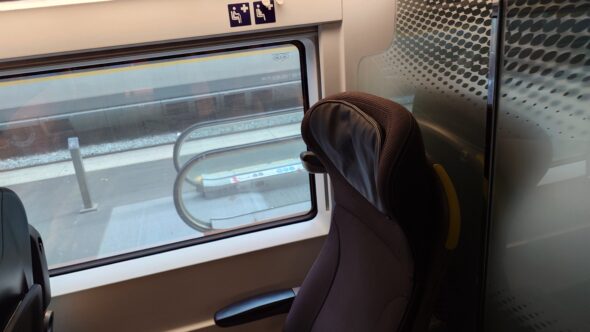
Standard
- cheapest fare tier
- 2–2 seating
- no meal/snack included
- best when price matters most
Plus (formerly Standard Premier)
- mid-tier, often the best value
- wider seats, more personal space
- 1–2 seating (includes single seats)
- light meal/snack + drink
- usually quieter overall
- ideal if you want to work, rest, or avoid being squeezed for 2+ hours
Premier
- business-focused
- lounge access, priority lane, full meal (varies by route/package)
- great if you need the business extras, but not essential for most leisure trips
This guide focuses mainly on Plus, because that’s where seat choice pays off the most.
2) How to Read the Eurostar Seat Map (So You Book the Right Spot)
Most seat regrets come from booking without understanding the layout.
2-1) Plus is 1–2. Standard is 2–2.
The biggest Plus advantage is the single seat.
Choose a single seat if you want:
- quiet time
- laptop work
- a little “bubble” of space
- no seatmate
In Standard (2–2), assume you may have a neighbor.
2-2) Direction can change (motion sickness tips)
Eurostar can change direction depending on operations.
Even if the booking screen shows a direction arrow, it may be reversed on the day.
If you get motion sick easily, prioritize:
- seats near the middle of the carriage
- a window seat
- in Plus: a single seat, or anywhere that looks less cramped on the map
2-3) Spotting “dud” seats before you book (toilets, ends, racks)
There are three locations that commonly reduce comfort:
- near toilets: door noise, foot traffic, occasional smells
- carriage ends: people gather, bags pile up, it feels unsettled
- next to luggage racks: constant bag movement around you
On many layouts, toilets tend to cluster around:
- seat numbers near 01–05
- the high 70s
Always confirm the exact layout in the official Eurostar app seat map after booking.
3) Best Seats by Travel Purpose

3-1) For quiet or working: Plus single seat
For many travelers, this is the best seat type:
- no seatmate
- bigger table space (snack + laptop fits comfortably)
- calmer carriage vibe
It turns the ride into real rest (or real work), not something you “get through.”
3-2) For views: which side to choose
The Channel Tunnel is dark, but the countryside before/after can be nice.
Direction may change, but a common rule of thumb is:
- Paris → London: left side
- London → Paris: right side
Treat this as preference, not a guarantee.
3-3) If you have more luggage: go mid-carriage
End-of-carriage racks can fill up quickly.
If you’re carrying more luggage, a seat closer to the middle is usually calmer and easier to manage.
Plus also tends to feel less tight around your feet, so a small bag is less annoying.
3-4) Traveling as a pair: side-by-side beats a 4-seat table
Table seats look attractive, but can be tiring:
- face-to-face seating drains energy faster
- luggage placement is awkward
- you may end up facing strangers
For two people, a normal window + aisle pair is usually the easiest.
4) Seats to Avoid (If You Can)

4-1) Near toilets
Common downsides:
- door slams and constant movement
- people queuing within your view
- occasional smells
Seat numbers near 01–05 are often the risky zone.
Confirm the toilet position in the official app seat map after booking.
4-2) Carriage ends
Carriage ends often become a mini “storage area.”
More people stand around, shuffle bags, and pass by.
A more central seat usually feels calmer.
4-3) 4-seat tables (especially if you might face strangers)
If you end up facing strangers, the lack of privacy and social awkwardness can be more draining than you’d think.
It’s also harder to work with a laptop, and legroom can feel contested.
5) Booked via Omio? Don’t Panic (How to Confirm Your Seat)
5-1) Seat number looks different after Omio purchase
If you booked via Omio, the seat number shown can occasionally look inconsistent at first.
In most cases, the official Eurostar app shows the correct seat assignment.
5-2) What to check in the official Eurostar app
After booking, check:
- toilet location
- whether your seat is near the end or closer to the middle
- the seat map (for spacing and nearby racks)
- direction (decide on the day)
5-3) Luggage peace of mind
Most people use the racks without issues.
If you worry, a small cable lock can help you relax.
6) Quick Comparison: Standard vs Plus vs Premier
| Item | Standard | Plus | Premier |
|---|---|---|---|
| Seating | 2–2 | 1–2 | 1–1 (often) |
| Snack/meal | none | included | full meal (often) |
| Personal space | basic | better | best |
| Best for | lowest price | comfort + quiet + work | business extras |
For most leisure travelers, Plus is the practical upgrade that feels worth it.
7) Summary: A Better Eurostar Ride Starts With a Better Seat
If you want the easiest ride, choose:
- Plus single seat (top pick for comfort and privacy)
- mid-carriage seats (calmer, fewer interruptions)
If possible, avoid:
- seats near toilets
- carriage ends
- 4-seat tables (especially if you might face strangers)
After you book, open the official app and confirm the seat map.
It prevents most “why did I choose this seat” moments.

コメント